How an island became a peninsula
Holnis was an island until a causeway joined it to the mainland in 1929, and its noors still tell the story.
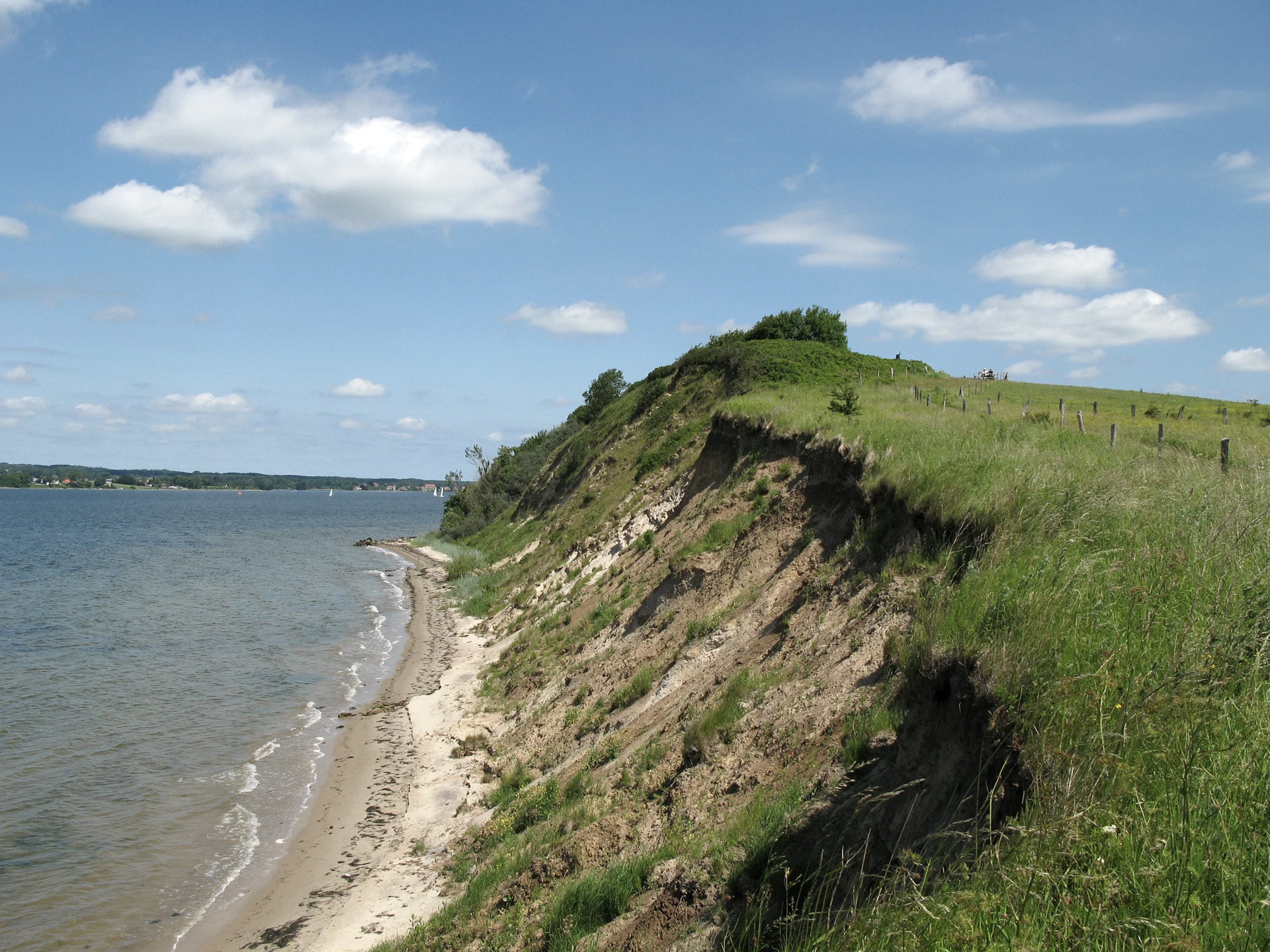
Driving along the narrow link to Holnis today, you barely notice that there was once water here. The 1929 causeway turned the island into a peninsula and changed daily life for the people living on it.
Two bays of the Baltic
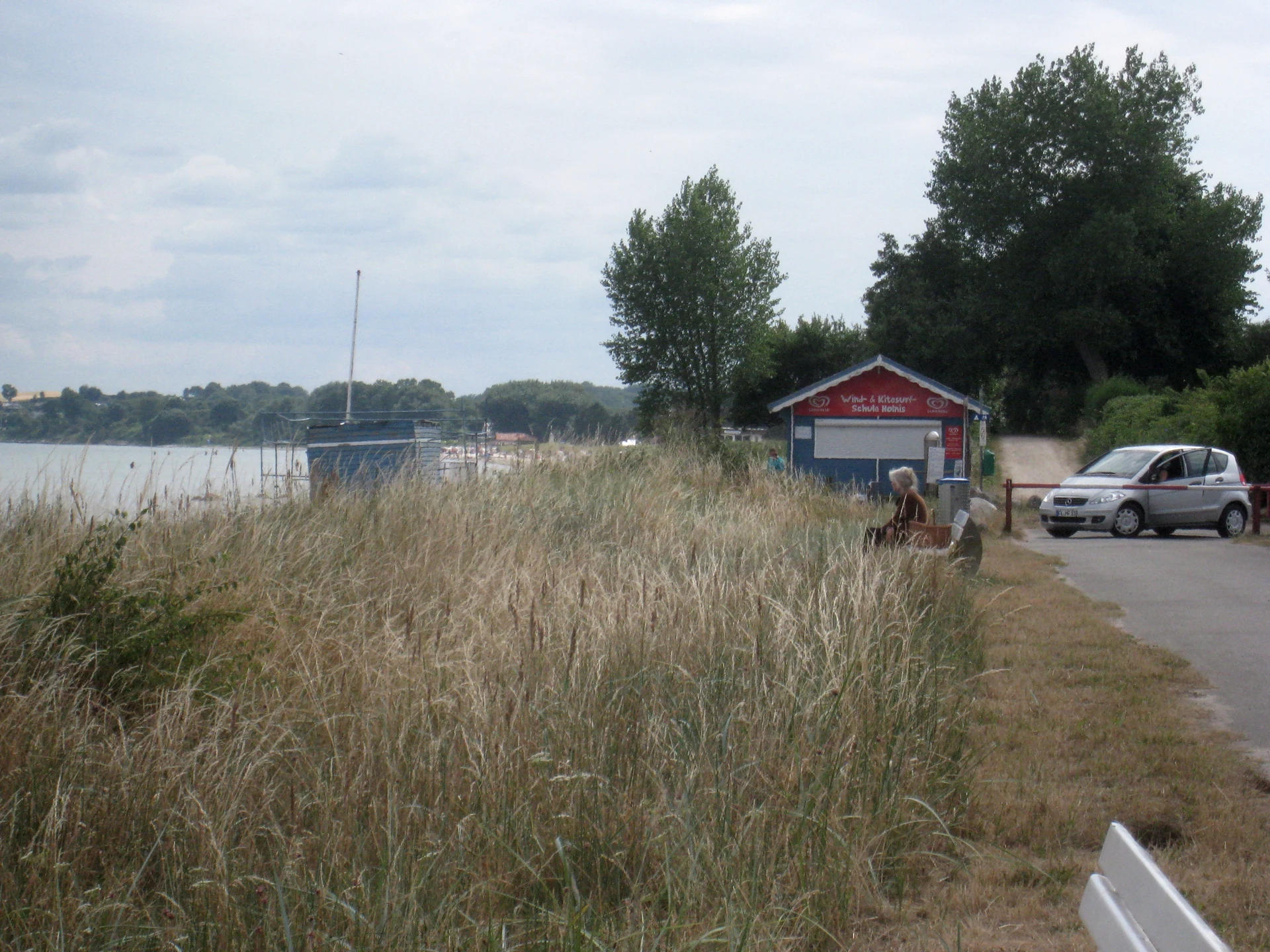
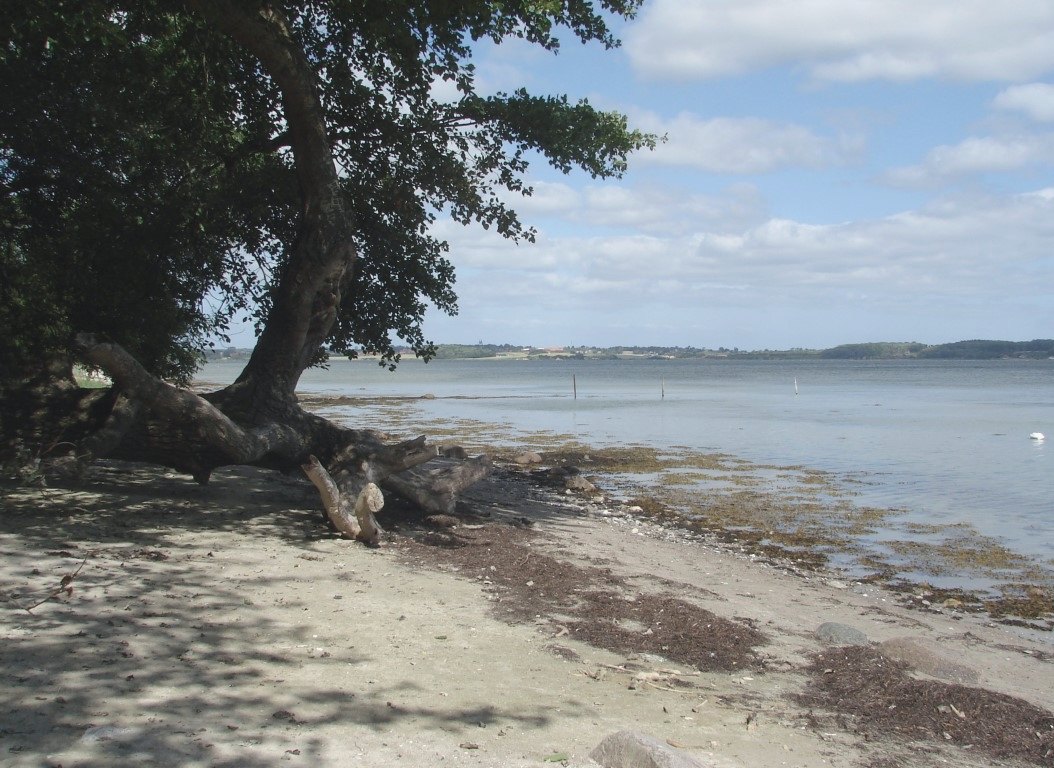
The Großes Noor, also called Holnis-Noor, and the Kleines Noor, or Kinne-Noor, were shallow bays of the Baltic. A noor is a body of water almost closed off from the sea. The word comes from the Danish “nor”.
What the ground revealed
When the Großes Noor was drained in 1929, parts of shore reinforcements and the remains of a dugout canoe were found. Traces that people here have long lived with the water.
The water returns
Since summer 2002 the Kleines Noor has been reconnected to the Innenförde after more than 130 years. The area of around 9 hectares was flooded again. Today the Kleines Noor is a breeding and resting place for birds.
A name from the place
The name tells of the place too. It probably derives from “Hold”, wood or hold, and “Nis” or “Næs”, a headland. Walk along the noor, where the salt meadows begin. This is where the old island edge is still easiest to read.
Sources: schleswig-holstein.nabu.de More sources:de.wikipedia.org
Back to the journal